01
Roots & Identity
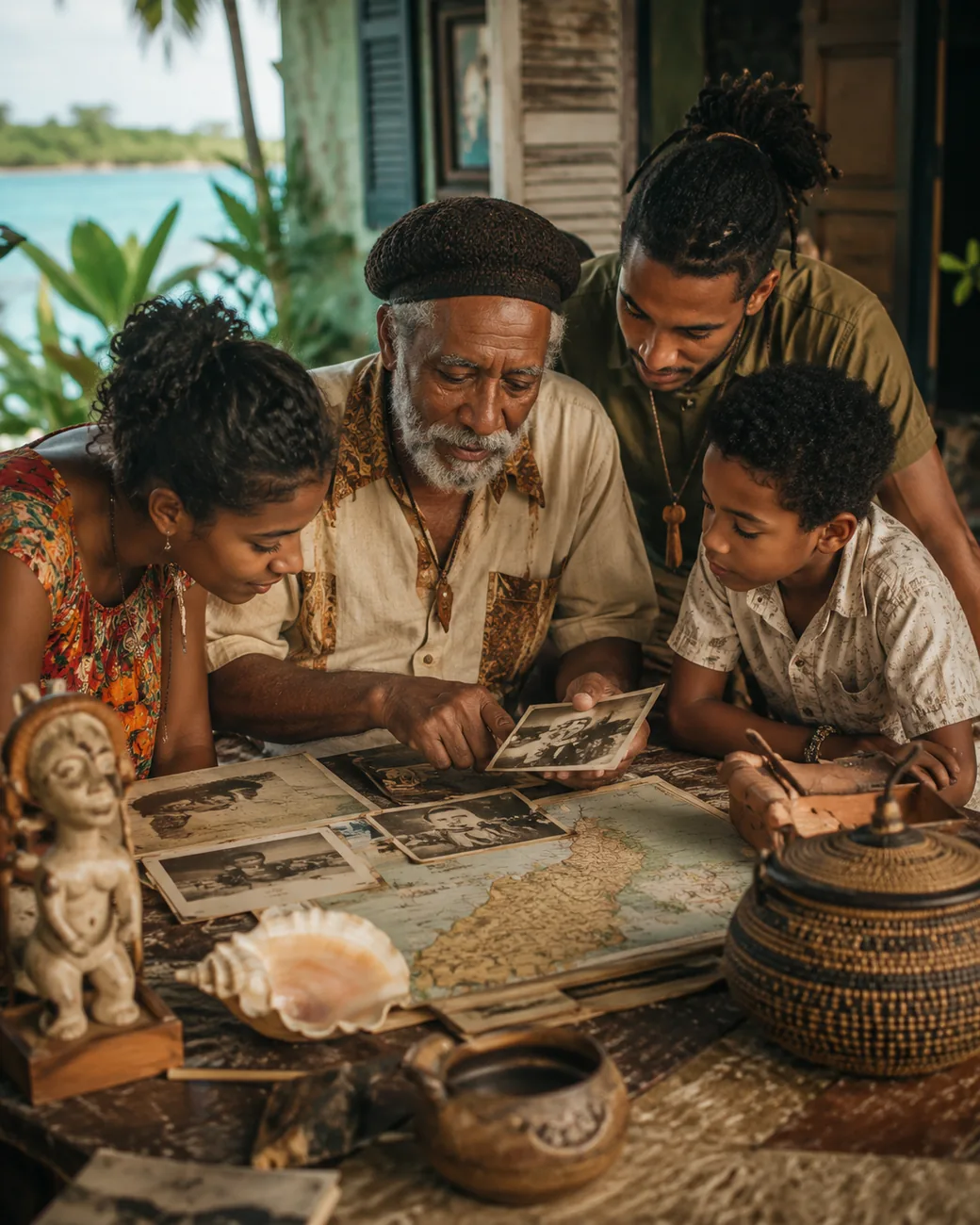
Reflect on how place, family, memory and everyday practice shape connections to Belize.
 BelizeLEARNING HUBCULTURAL ENGINE
CENTRAL AMERICA · CARIBBEAN
Discover. Learn. Preserve. Pass it on.
A guided performance journey from identity and discovery to source literacy, oral history and a visible heritage project.
Reflect on how place, family, memory and everyday practice shape connections to Belize.
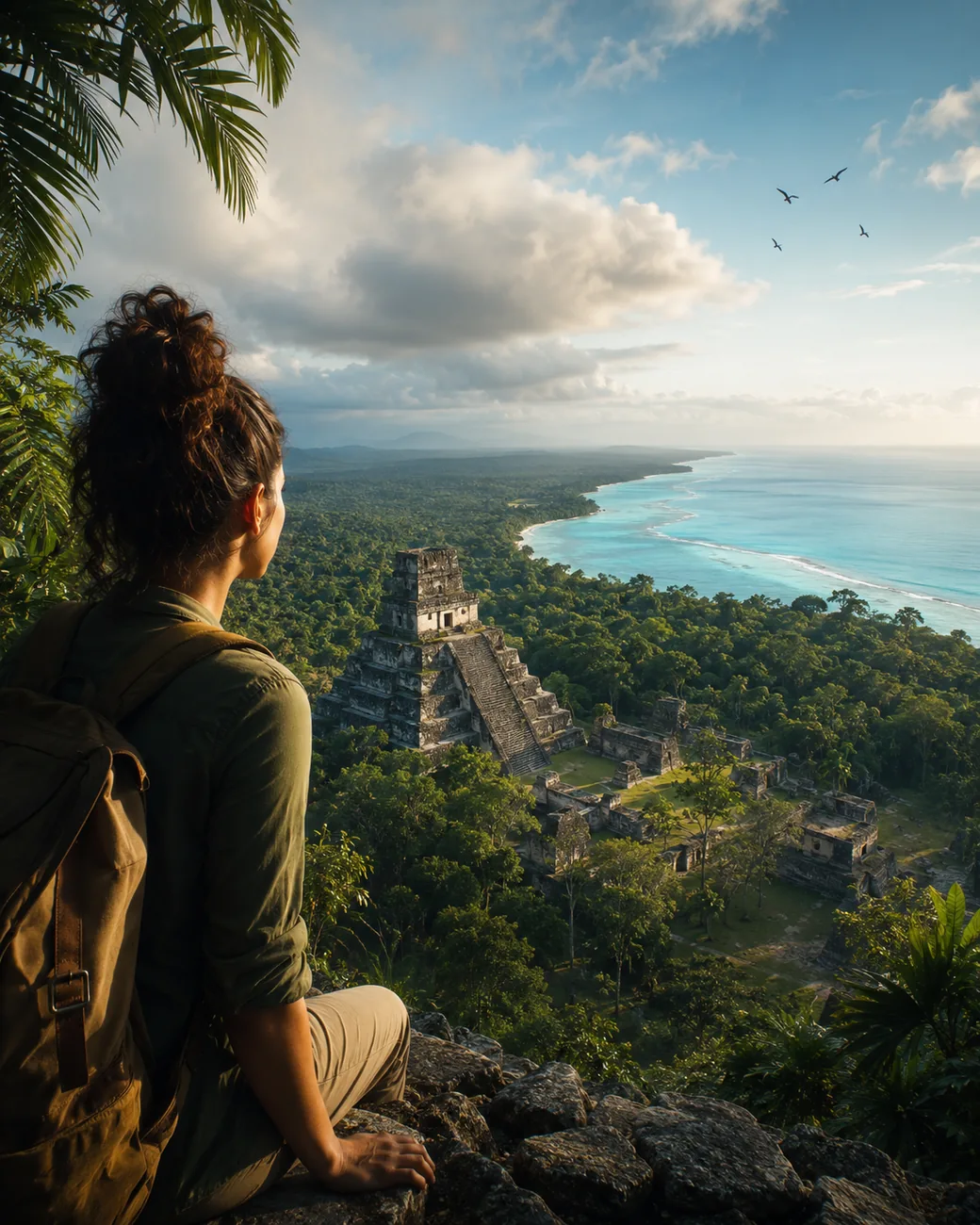
Explore Belize as a connected cultural and ecological landscape rather than a list of attractions.
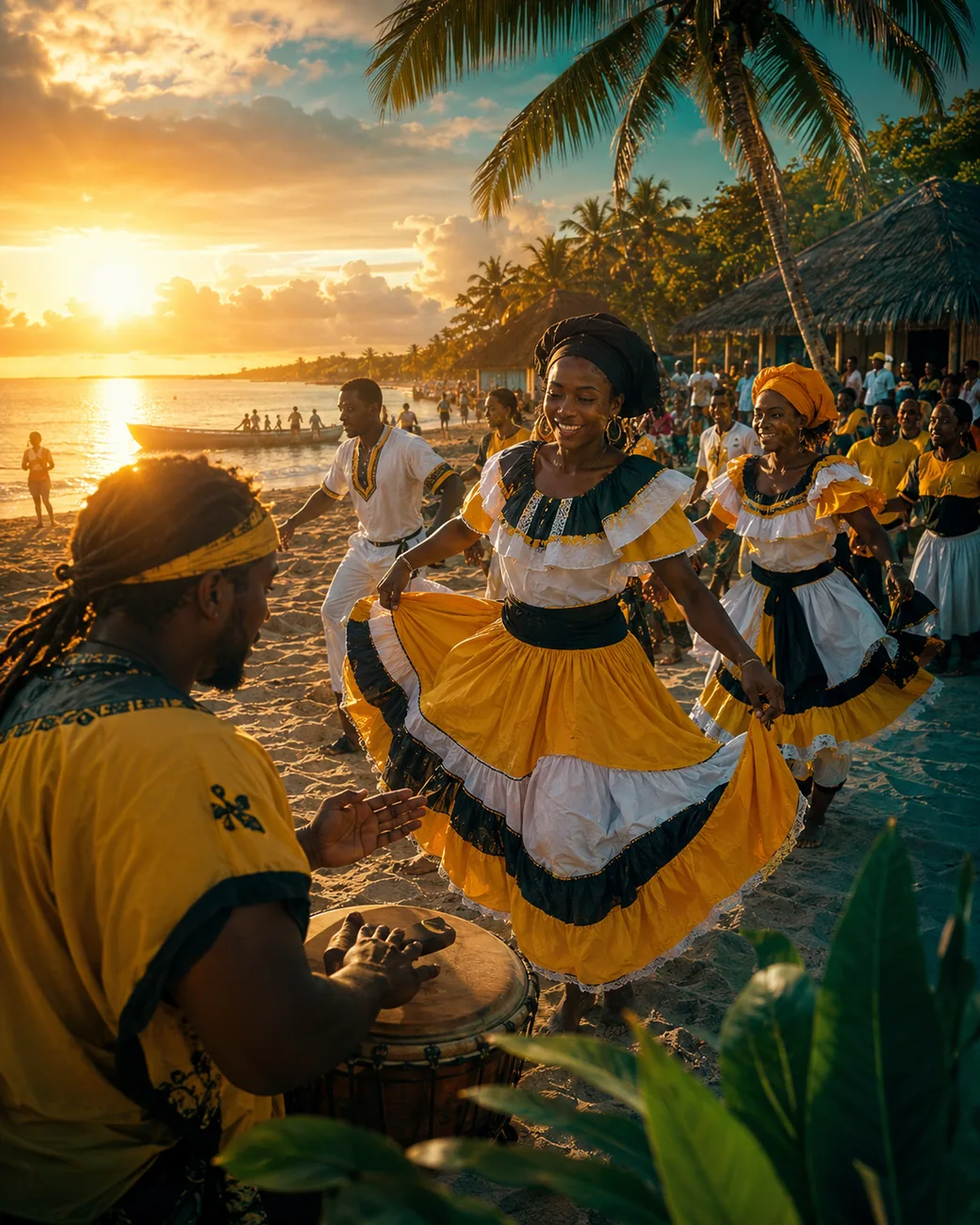
Connect language, music, food and celebration with living cultural knowledge.
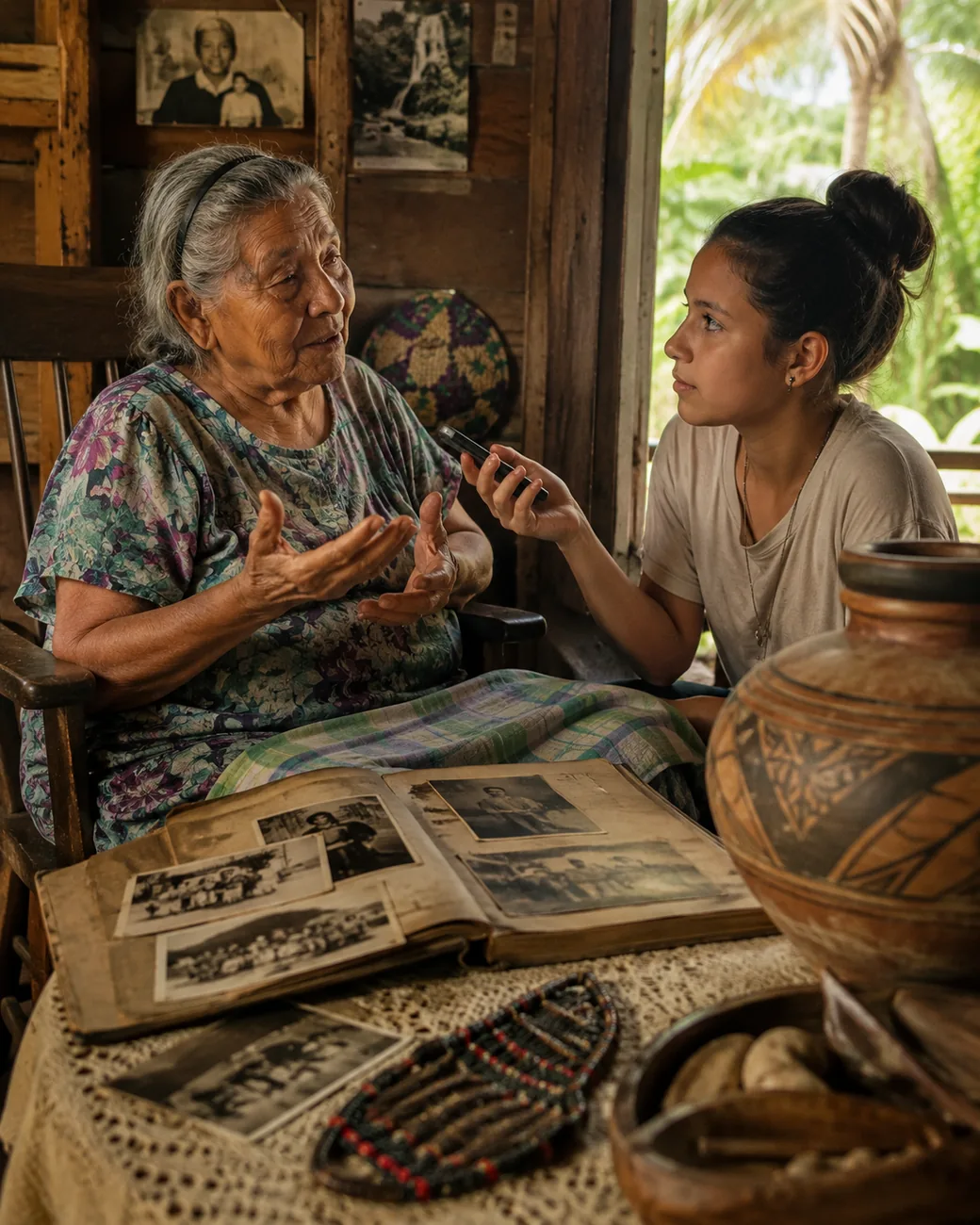
Practice respectful oral history with consent, open prompts, context and care.
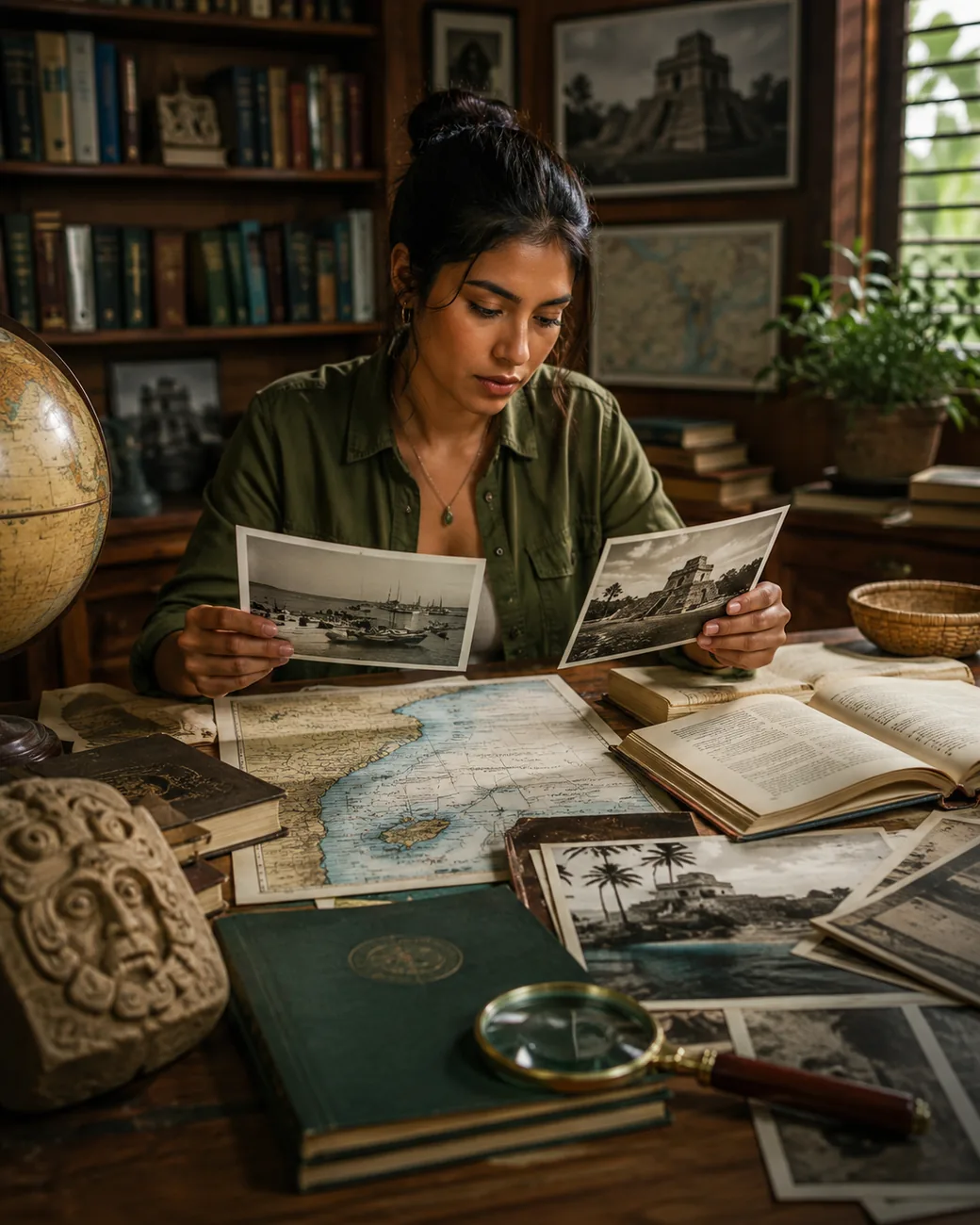
Match cultural and historical claims to sources that can credibly support them.
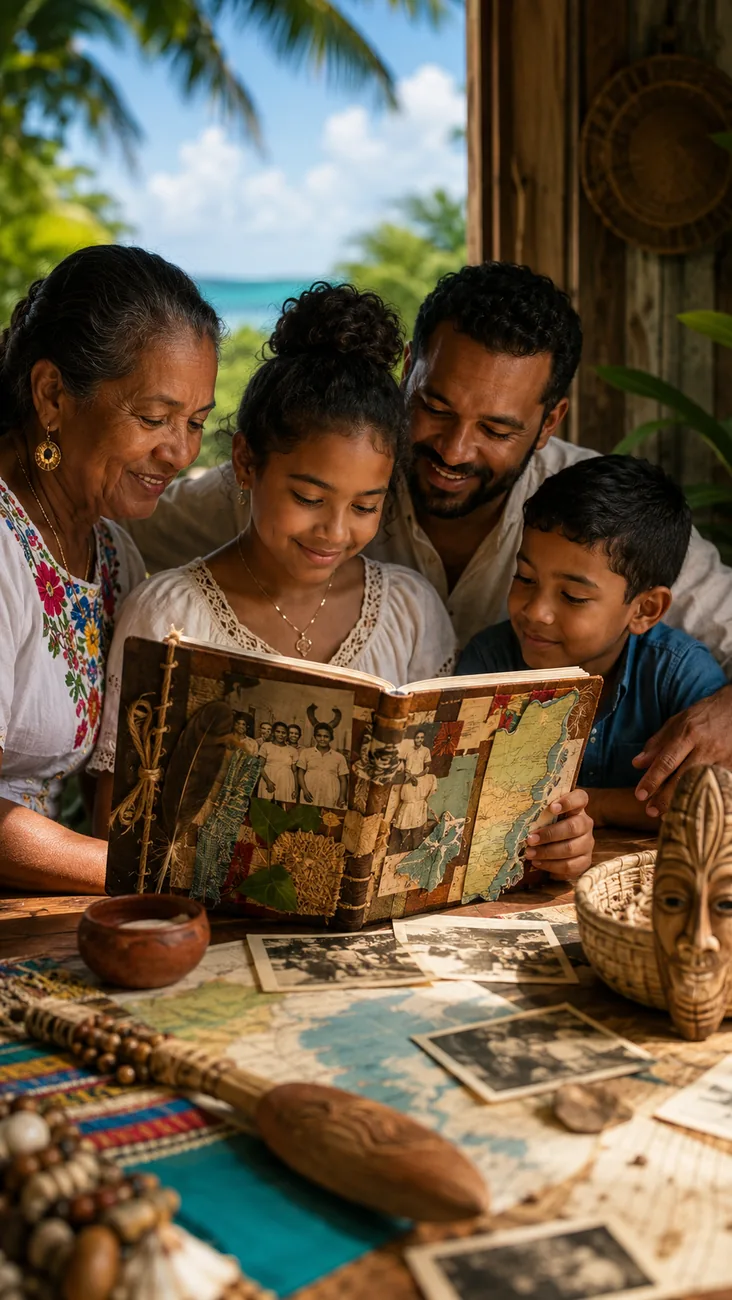
Turn learning into a meaningful family heritage collection with context and trusted sources.

A 12-question mixed assessment unlocks after all six learning modules. Pass with 80% to earn the Heritage Mastery badge.
Explore Belize through six cultural worlds. The engine feeds the learning journey, museum objects, quests and family missions.
Facts matter more when learners can connect them to people, place, systems and meaning.
Belize is culturally diverse. No single voice, image or object can stand in for everyone.
Separate what can be observed from what needs a source, explanation or community perspective.
Language, music, food and stories are practices people continue to shape and pass on.
Reef, coast, forest, city and archaeological landscape become meaningful through relationships.
Heritage learning ends in responsible interpretation, consent, preservation and transfer.
Choose a learning lens. The Cultural Engine highlights the worlds, prompts and evidence types connected to it.
Open a place to connect environment, history, people, memory and a question worth investigating.
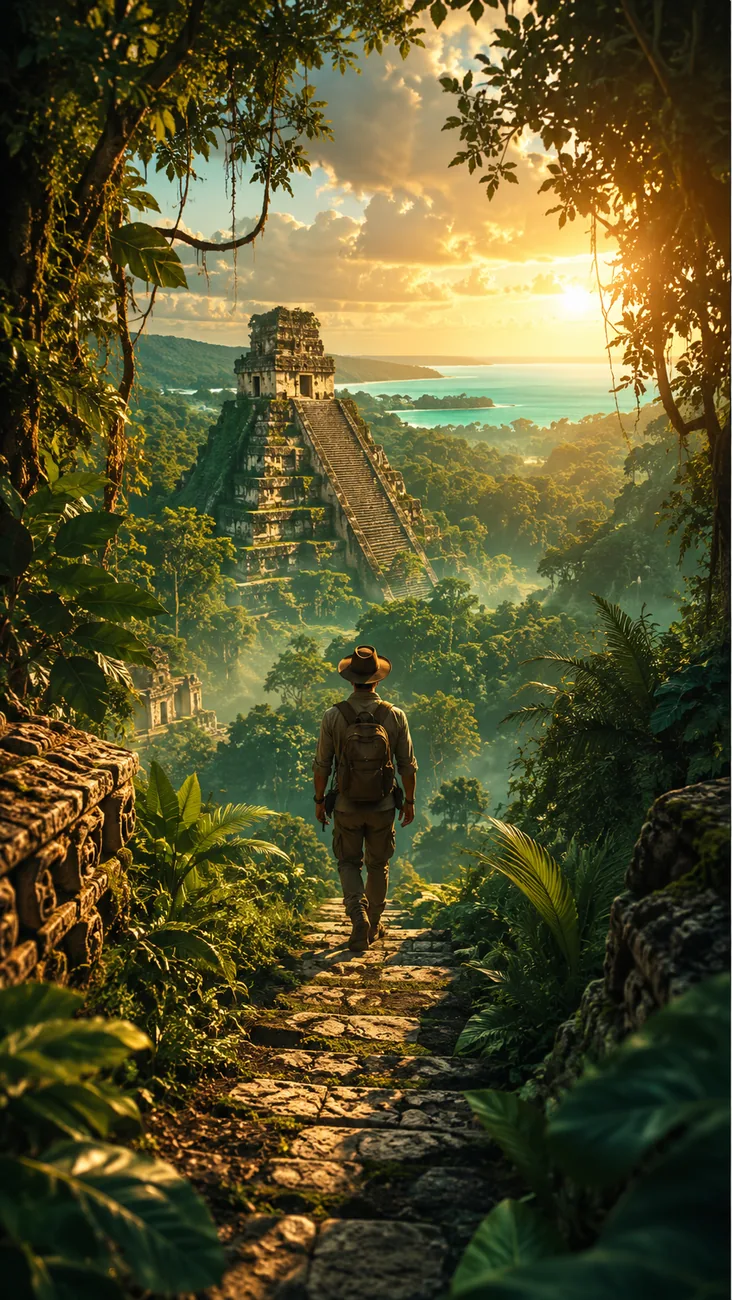
Ancient cities, living Maya communities and connected landscape systems.
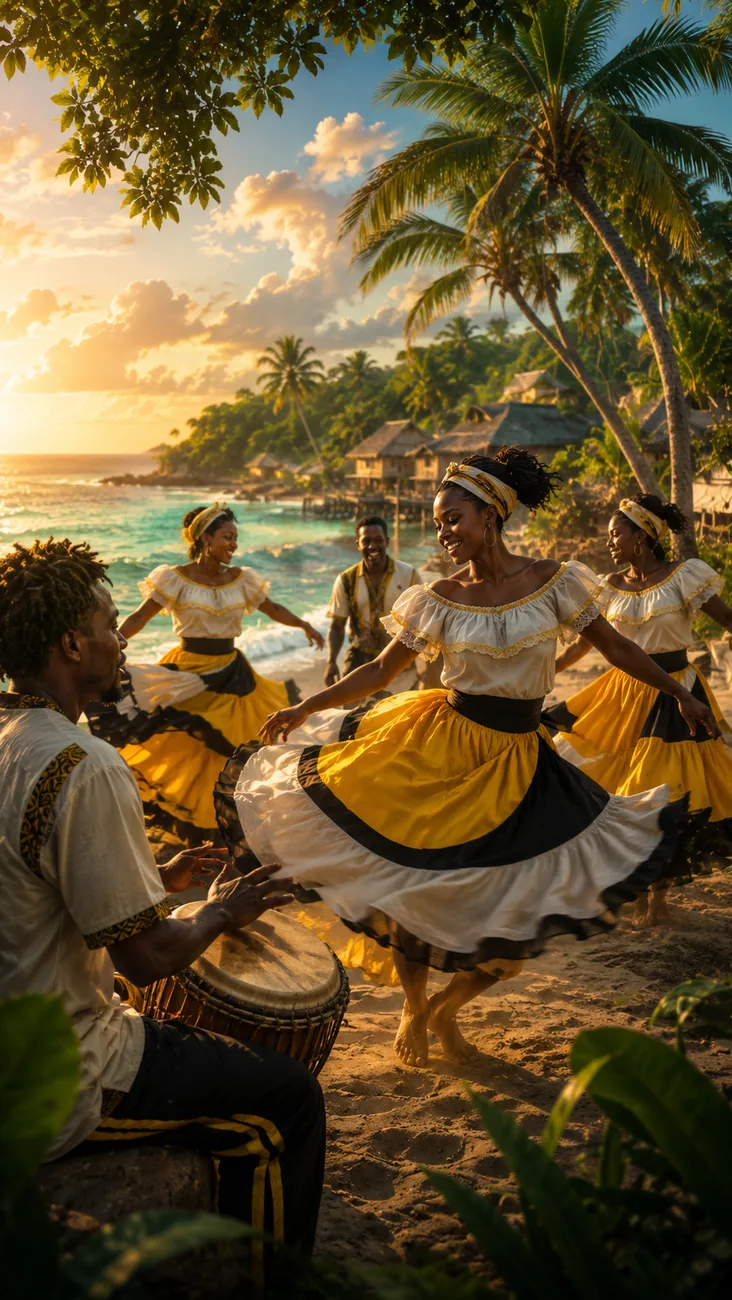
Language, music, dance, memory and living community heritage.

Reef, mangroves, cayes and the relationship between ecosystems and livelihoods.
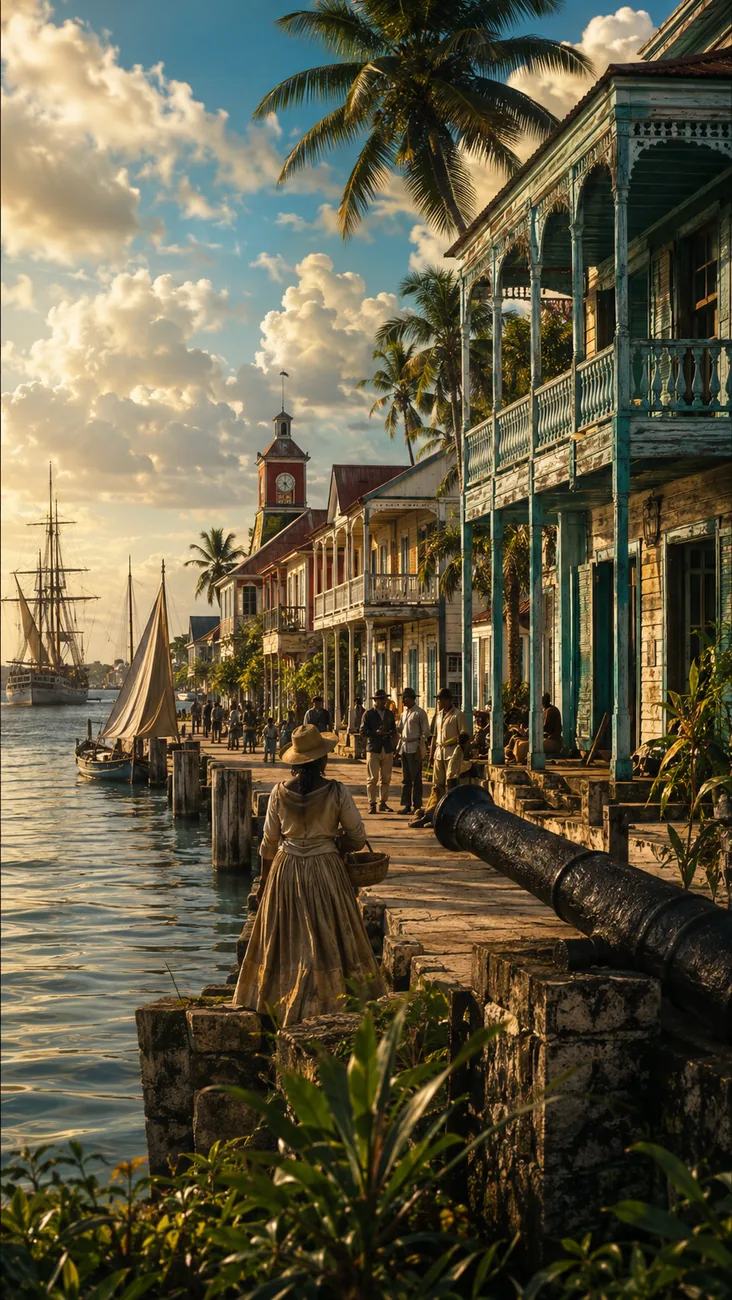
Power, trade, settlement, resistance and the built environment.
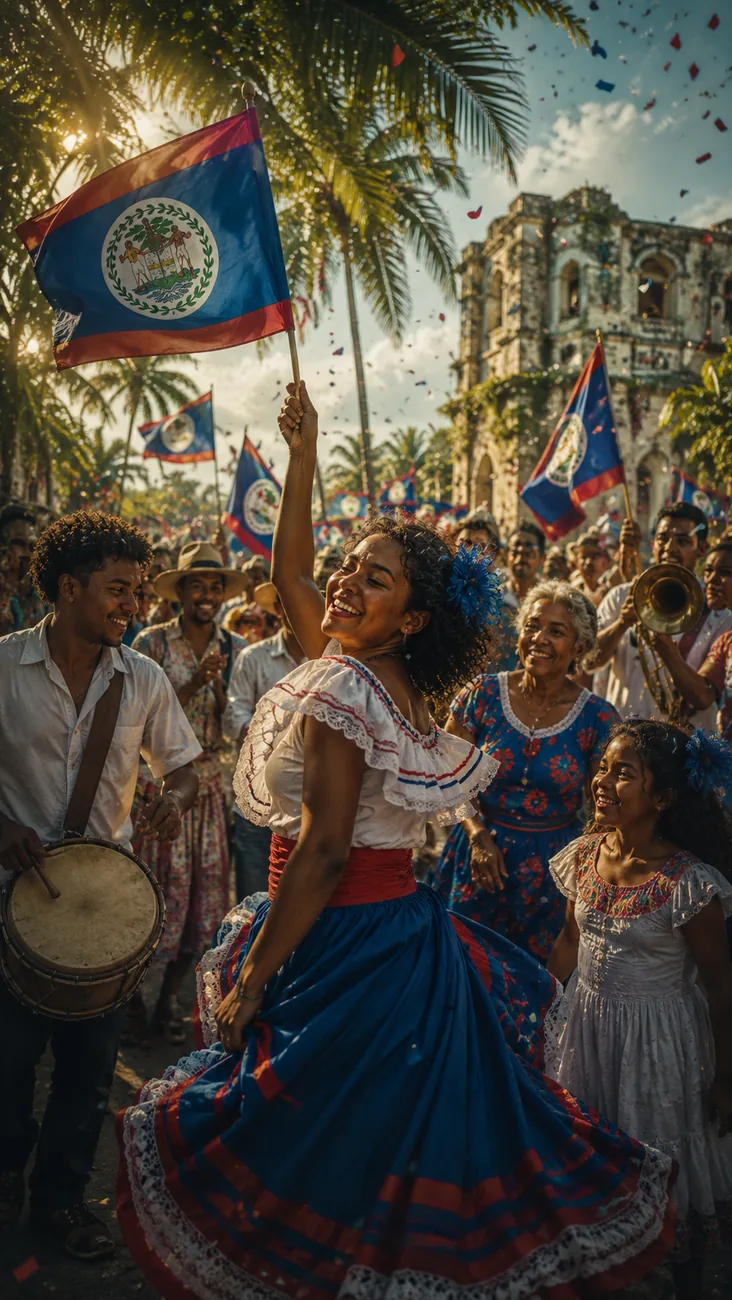
National identity, celebration, memory and multiple forms of belonging.
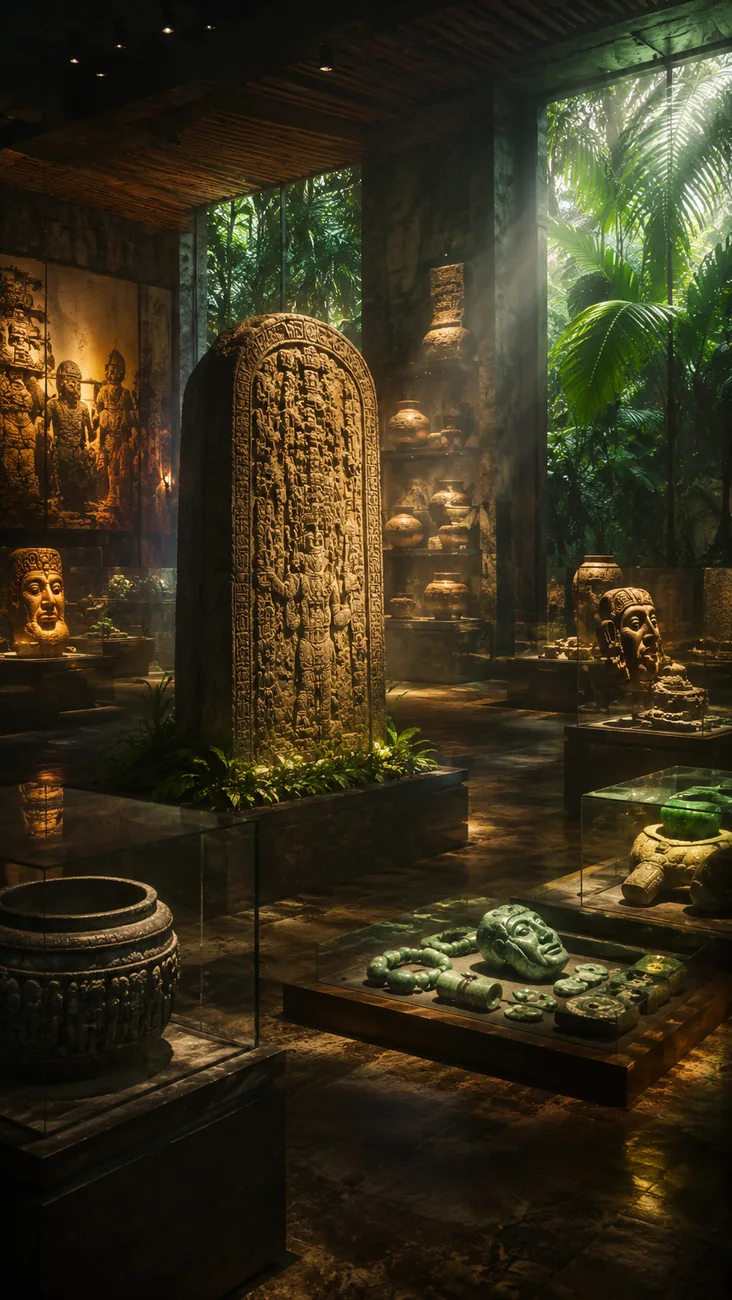
How cultural and natural heritage is documented, protected and interpreted.
Investigate objects through observation, context, evidence and interpretation. Then curate a three-object mini exhibition.
Select two collection objects and compare what each can tell you — and what neither can prove alone.
Choose two different objects to open a comparative evidence task.
Select three objects that tell one connected Belize story. Write the interpretation that connects them.
Interactive language and music moments from Cultural Engine 3.1 now live inside the larger Learning Hub journey.
Kriol spelling and pronunciation can vary. These prompts are introductory; production audio should be reviewed by Belizean speakers.
Open a short context note instead of treating music as a decorative soundtrack.
The goal is to connect sound, community, history and use.
Family mode turns this from content into intergenerational retrieval and conversation.
Practice information literacy by matching claims to the strongest available source — and by explaining why.
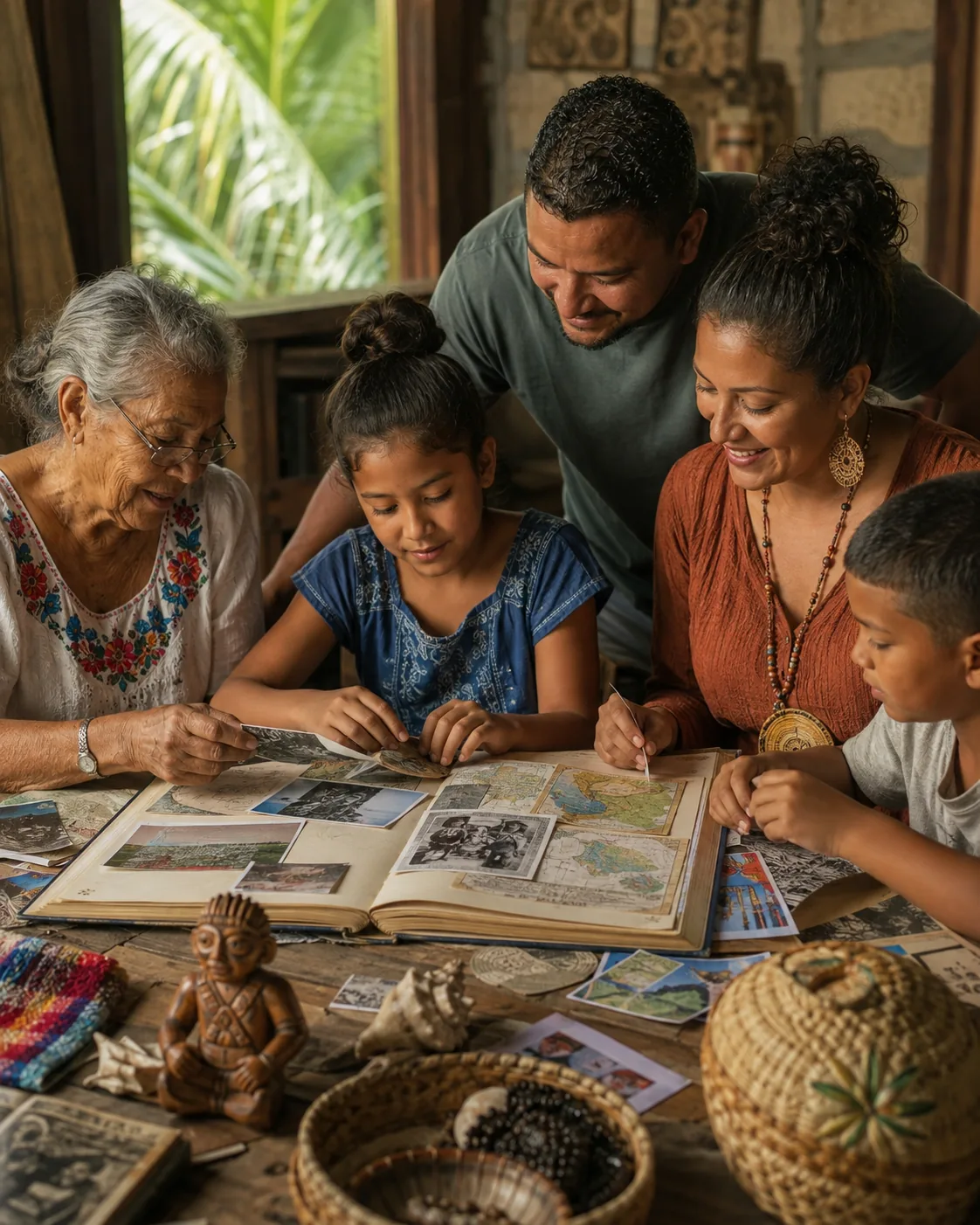
The summative transfer product grows throughout the journey: roots, places, stories, traditions and trusted sources become one private family heritage collection.
Your project begins with one meaningful item. Add a place, story, tradition, root or trusted source.
Guided oral-history scaffolding moves from example prompts to an independent family interview. Audio stays local to the current browser session.
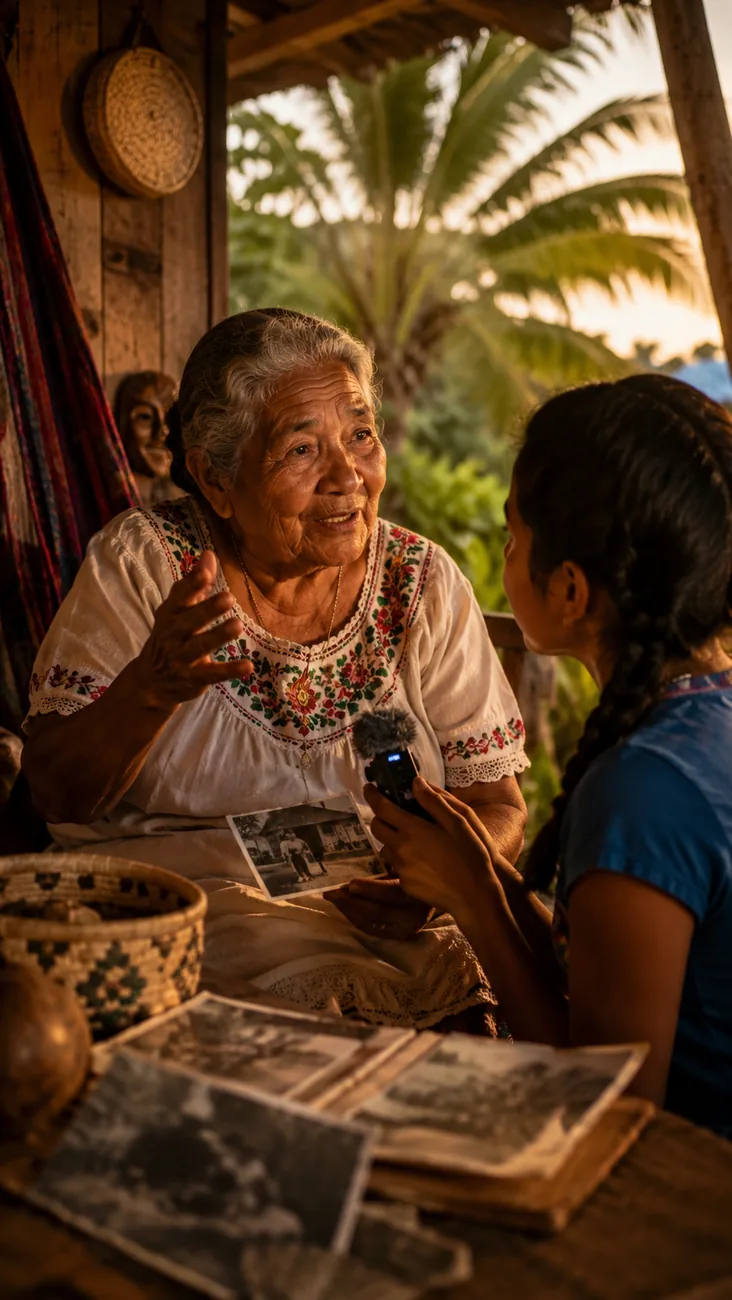
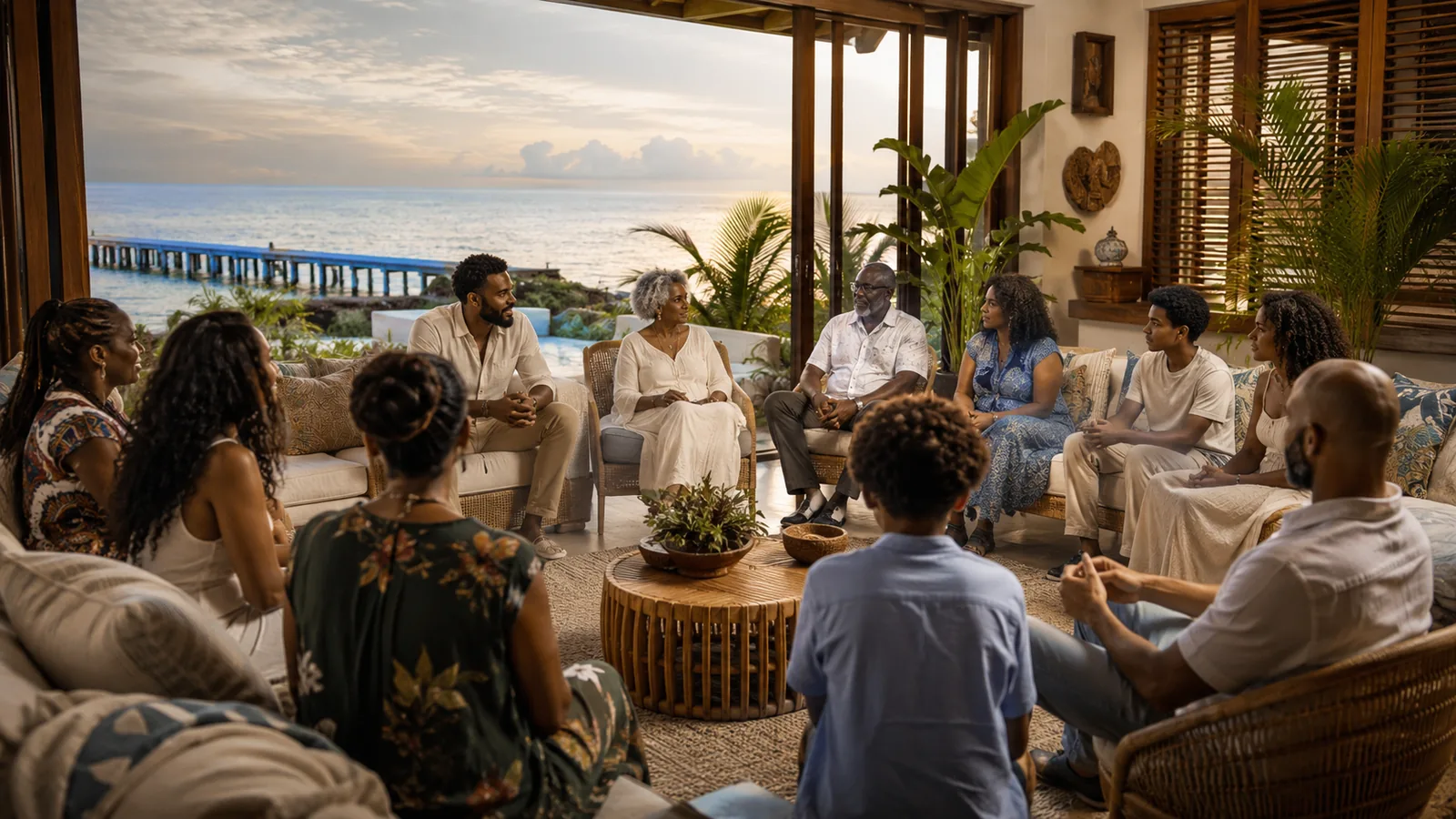
A moderated pilot session for sharing one selected family story and reflecting on what makes oral history respectful.
A voluntary closing session where learners can present selected parts of their project and explain their sources.
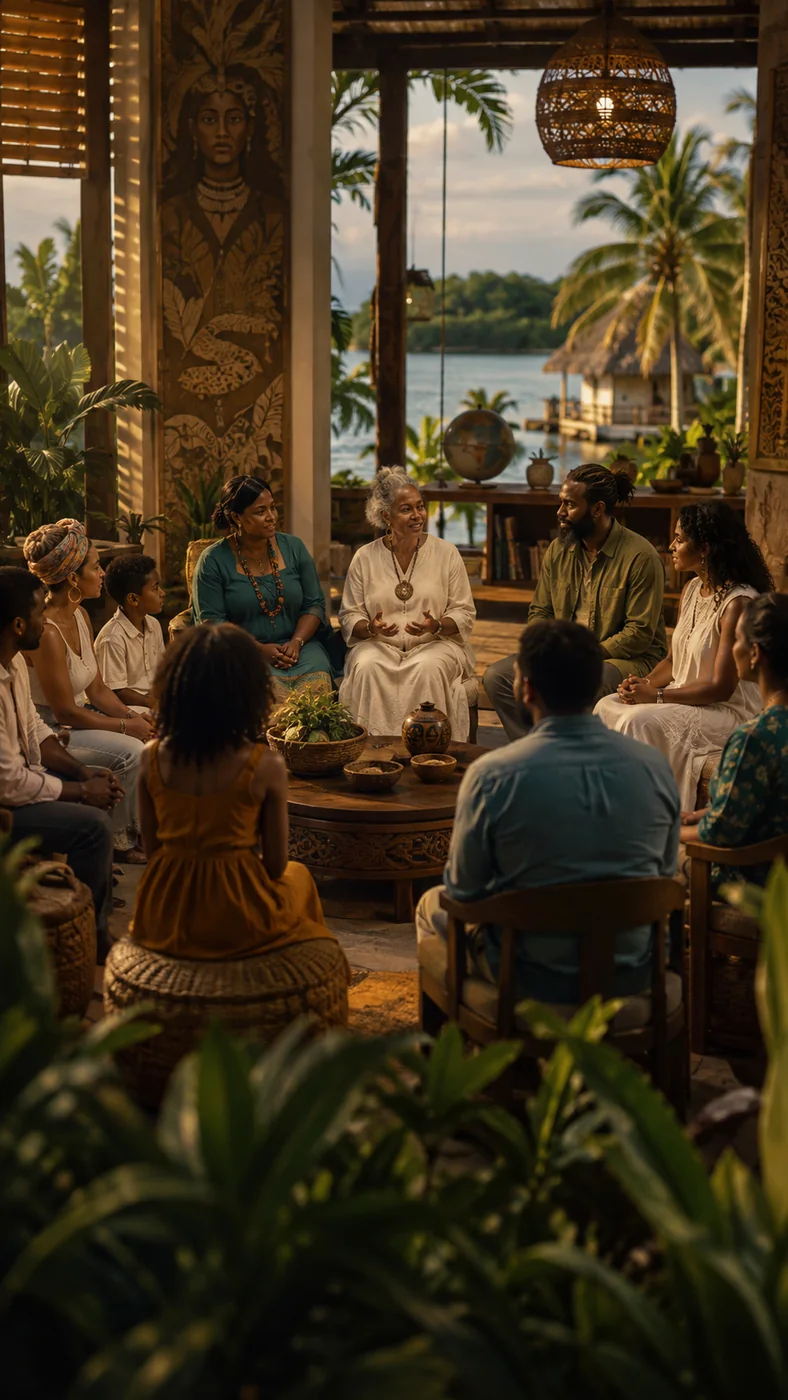
The original project canvas includes community partnerships as a core resource. This prototype now turns that into a working collaboration brief instead of a dead button.
Use primary and authoritative sources to verify cultural, archaeological and environmental claims and to explore Belizean heritage in greater depth.
The MVP tracks learning, transfer and usability locally so a future 15–20 person pilot can test whether the experience actually works.
How easy was it to understand what to do next?